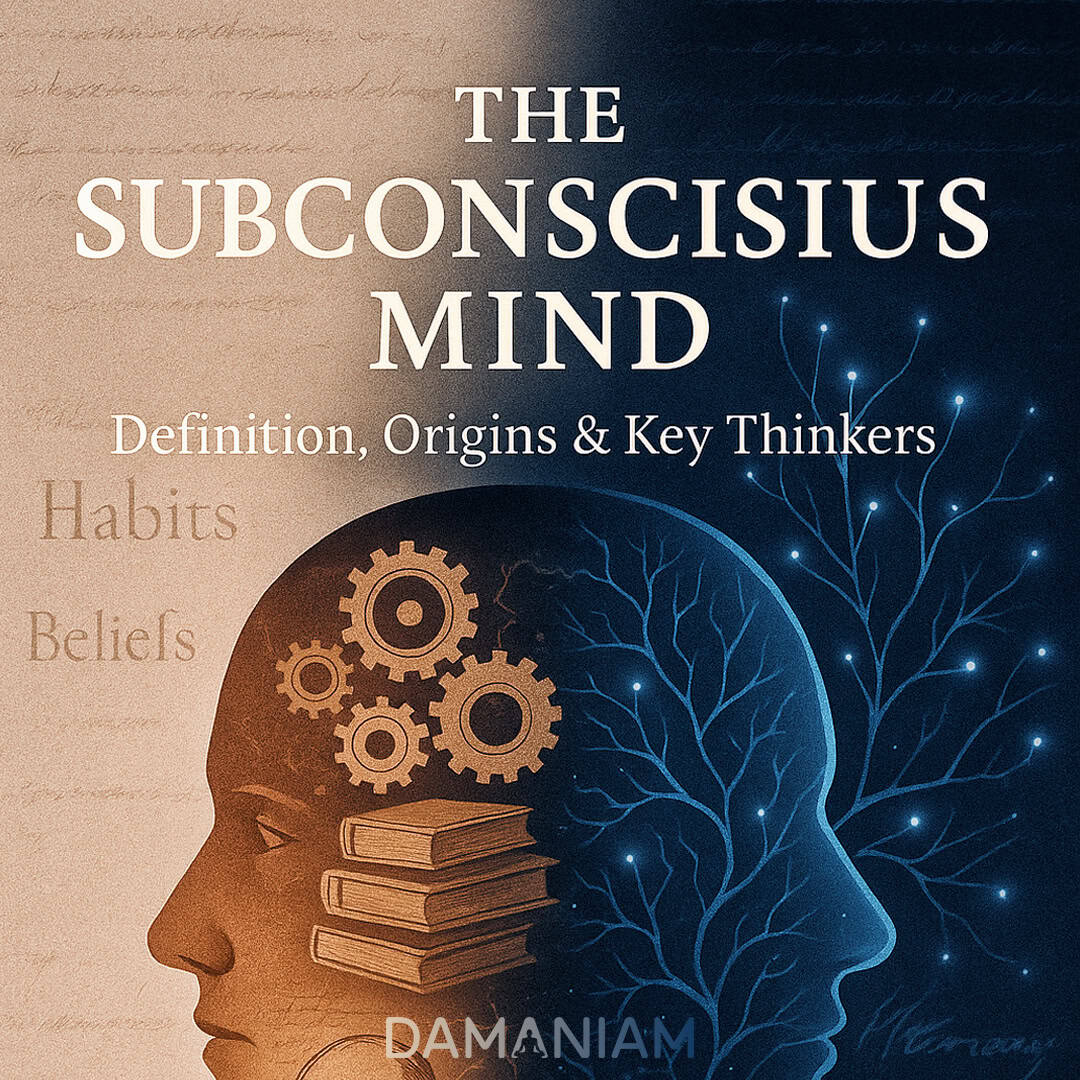
*Definition, Origins, and the Thinkers Who Shaped It*
You’ve probably heard the phrase, “Your subconscious is running the show.” But what does that really mean?
The subconscious mind is often referenced in spiritual teachings, psychological research, and self-help philosophies but few take the time to define it clearly or understand where the idea came from.
In this article, we’ll explore what the subconscious mind actually is, how the term came to be, and which well-known psychologists and thought leaders helped shape our modern understanding.
If you’re on a journey of self-awareness or trying to reprogram your mind, this is foundational knowledge.
Contents
What Is the Subconscious Mind?
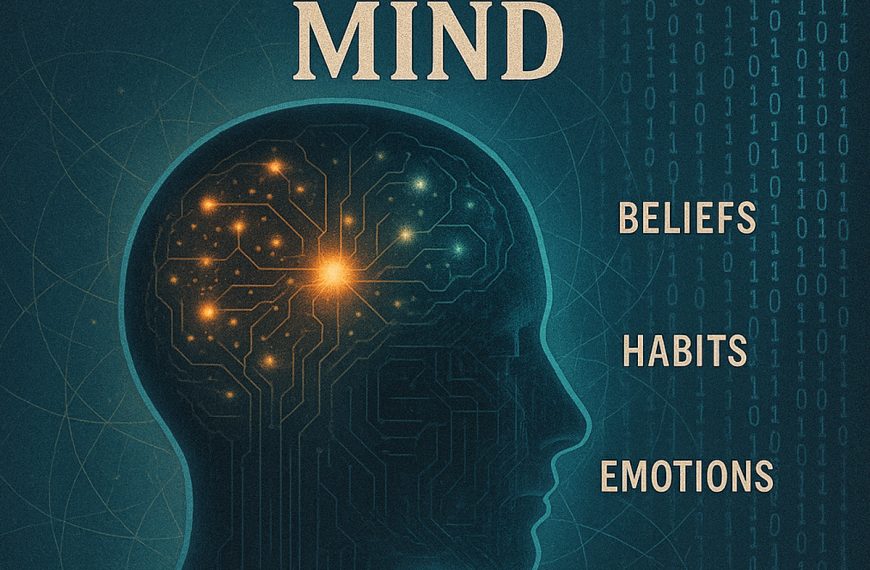
The subconscious mind is the part of your mind that operates below conscious awareness. It stores your memories, habits, learned behaviors, emotions, and beliefs—many of which were formed in childhood or through repetition. These patterns influence your actions and reactions, even if you’re not actively thinking about them.
Think of it like your mental operating system. You don’t have to think about how to walk, brush your teeth, or feel triggered by certain words—it’s all automatic. That’s your subconscious at work.
Why It Matters
Most people believe they’re consciously making decisions, but studies suggest that 90–95% of daily thoughts, emotions, and behaviors are subconscious. That means you’re running on programming—often without even realizing it.
This isn’t necessarily bad. You’ve programmed a lot of helpful things: how to drive, how to tie your shoes, how to read. But the subconscious also holds unexamined beliefs and emotional patterns picked up from early life, trauma, media, and society.
And if you never become aware of that programming, it silently shapes your reality—your relationships, your self-worth, your fears, your goals.
Where Did the Concept Come From?
While ancient philosophies hinted at hidden parts of the mind, the term “subconscious” first gained traction in the late 1800s through the work of Pierre Janet, a French psychologist. He studied trauma and dissociation and noticed that some behaviors seemed to come from a second layer of mental activity—outside the conscious will.
Around the same time, Sigmund Freud introduced his model of the mind, where he split it into the conscious, preconscious, and unconscious. Freud actually disliked the word subconscious, preferring unconscious, but the idea stuck with the public.
Later, Carl Jung expanded the idea, introducing the personal subconscious and the collective unconscious—a deeper layer containing universal symbols and inherited memory.
The Thinkers Who Shaped It
- Joseph Murphy – The Power of Your Subconscious Mind (1963)
Murphy made the subconscious a household term. He taught that your thoughts and beliefs (especially the ones you repeat) sink into the subconscious and shape your reality. According to him, faith, imagination, and repetition are tools for reprogramming it.
- Bruce Lipton – The Biology of Belief
A former medical school professor, Lipton explains how the subconscious mind is largely programmed in early childhood through our environment. He emphasizes that conscious willpower alone can’t override deep programming—you must change the subconscious beliefs themselves.
- Joe Dispenza – Breaking the Habit of Being Yourself
Combining neuroscience, quantum physics, and spiritual insight, Dispenza teaches how the subconscious is tied to emotion and identity. To change your life, you must observe your patterns, shift your energy, and rewire the habitual thoughts stored in your subconscious.
- Bob Proctor – You Were Born Rich
One of the voices behind The Secret, Proctor focused on how your results in life are controlled by your subconscious self-image. He believed the subconscious could be retrained through repetition, visualization, and environment.
Final Thought
The subconscious mind isn’t your enemy—it’s a powerful servant.
It only does what it’s been taught, which means you can teach it something new.
Awareness is the first step.
Once you become aware of the subconscious programming driving your life, you reclaim the power to rewrite the code.